Get Network Cabling Service
Network cabling services help property owners install, upgrade, or repair wired communication systems for reliable internet, phone, and data connectivity in various projects.
Network cabling services are essential for establishing reliable and efficient communication systems within a property. Whether setting up a new office, upgrading an existing network, or expanding connectivity across multiple spaces, property owners often seek professional assistance to ensure the infrastructure is properly planned and installed. Exploring local contractors can help identify experienced providers who understand the specific needs of properties in the area, making it easier to compare options and find a solution that aligns with project requirements.
Property owners in the region may consider network cabling services to improve data transfer speeds, enhance security, or support new technology integrations. Proper planning and installation can contribute to smoother operations and future scalability. Continuing to review local service providers can help in making informed decisions, ensuring the network infrastructure supports both current and future technological demands effectively.
- Office Network Installations - when establishing or upgrading a business network to support multiple devices and users.
- Data Center Cabling - for organizations setting up or expanding data centers requiring reliable high-speed connections.
- Residential Network Wiring - in homes where a stable and fast internet connection is needed across multiple rooms.
- Structured Cabling Systems - when designing a scalable network infrastructure for growing commercial or industrial spaces.
- Network Cable Repairs - for resolving connectivity issues caused by damaged or faulty cabling in existing setups.
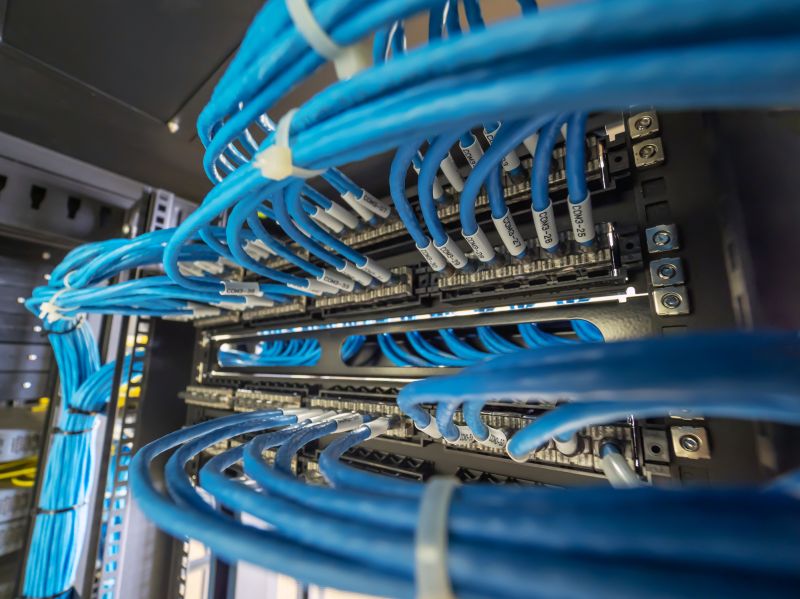
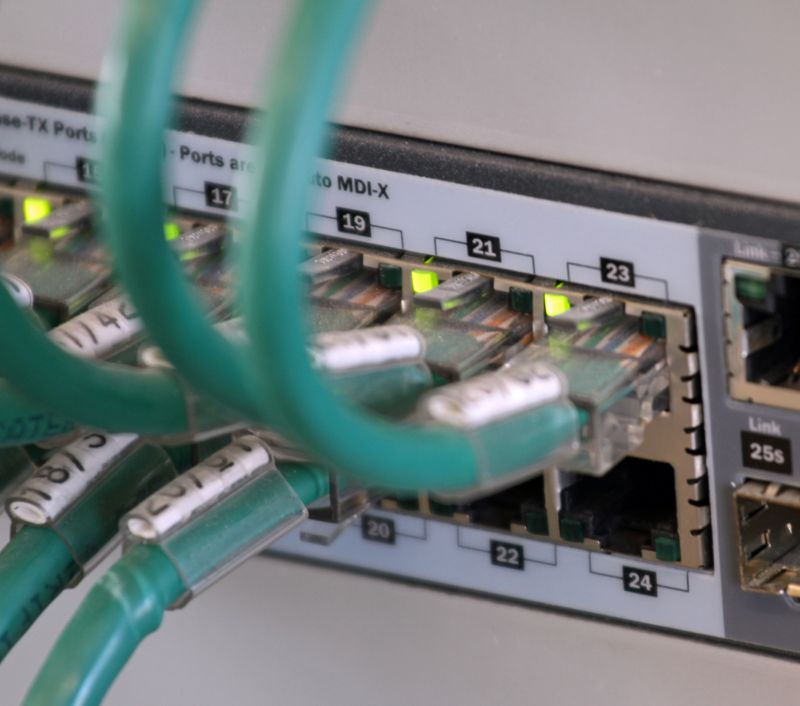
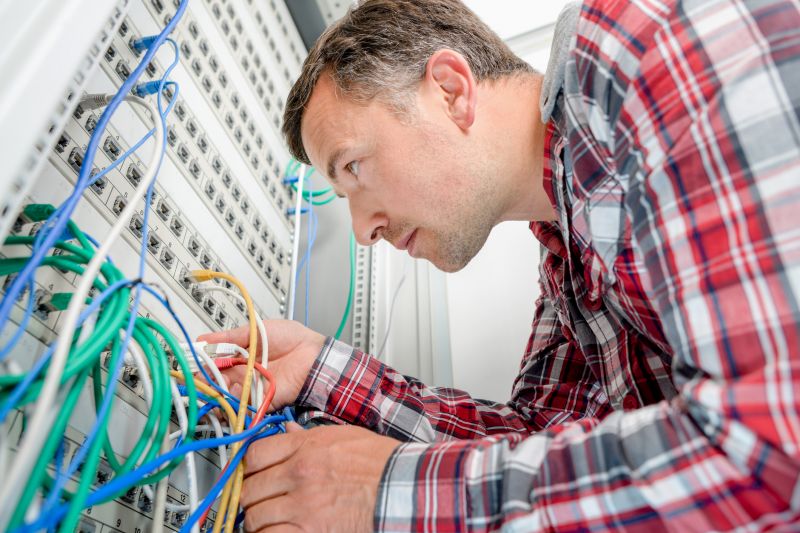
Network cabling services involve installing, upgrading, or repairing the structured cabling systems that support internet, phone lines, and other digital communications within a property. This work typically includes running Ethernet cables, fiber optics, or other wiring through walls, ceilings, and floors to ensure a reliable and organized network infrastructure. Skilled contractors assess the property's layout and needs to design a cabling plan that provides efficient data transmission and minimizes interference, ensuring that all connected devices function smoothly and consistently.
These services help resolve common connectivity problems such as slow internet speeds, frequent disconnections, or inconsistent signal strength. Outdated or improperly installed wiring can lead to network bottlenecks, making it difficult to stream, work remotely, or operate smart home devices effectively. By upgrading or rerouting network cables, local contractors can eliminate dead zones, reduce lag, and improve overall network performance, creating a more dependable digital environment for both residential and commercial properties.
Network cabling is often essential for a variety of property types. Homes with multiple users or smart home systems frequently require robust wiring to support multiple devices simultaneously. Small businesses, offices, and retail spaces also benefit from professional cabling to ensure their network infrastructure can handle increased data loads and future growth. Additionally, new construction projects often incorporate structured cabling early in the build process to streamline installation and ensure long-term connectivity reliability.
Homeowners who experience ongoing connectivity issues, plan to add new devices, or are building a new residence may find network cabling services particularly beneficial. These services are suited for those seeking a tidy, organized wiring setup that enhances network speed and stability. By working with experienced local service providers, property owners can ensure the network infrastructure is properly installed to meet current demands and accommodate future technology needs, helping to create a seamless digital experience throughout the property.
The overview below groups typical Network Cabling Service projects into broad ranges so you can see how smaller, mid-sized, and larger jobs often compare in your area.
In many markets, a large share of routine jobs stays in the lower and middle ranges, while only a smaller percentage of projects moves into the highest bands when the work is more complex or site conditions are harder than average.
Smaller Repairs - Typical costs for minor network cabling repairs or upgrades range from $250 to $600. Many routine jobs fall within this middle range, depending on the scope of work and location.
Basic Installation - Installing new network cabling in a small to medium-sized space generally costs between $600 and $2,000. Larger, more complex setups can push costs higher but are less common for standard projects.
Full Network Setup - Complete network cabling installations for larger buildings or multiple floors often range from $2,000 to $5,000. These projects tend to involve more planning and materials, leading to higher costs.
Full Replacement or Major Overhaul - Replacing an existing network or upgrading to high-performance cabling can cost $5,000 or more. Such extensive projects are less frequent but necessary for large-scale or high-demand environments.
Actual totals will depend on details like access to the work area, the scope of the project, and the materials selected, so use these as general starting points rather than exact figures.
Structured Cabling Installation - involves planning and installing organized wiring systems that support data, voice, and multimedia networks in commercial or residential buildings.
Data Center Cabling - requires precise planning and high-quality cabling to ensure reliable and efficient network performance in large-scale data storage and processing facilities.
Audio-Visual System Cabling - includes installing wiring for conference rooms, theaters, and multimedia setups, utilizing skills similar to network cabling for seamless connectivity.
Fiber Optic Cable Installation - involves handling delicate fiber optic lines for high-speed data transmission, often requiring specialized tools and planning akin to network cabling projects.
Security System Wiring - entails running cables for surveillance cameras, access controls, and alarm systems, which shares planning and installation techniques with network cabling services.
Telecommunications Infrastructure - covers the deployment of communication wiring and hardware necessary for telephone and internet services, utilizing similar skills in cable routing and management.
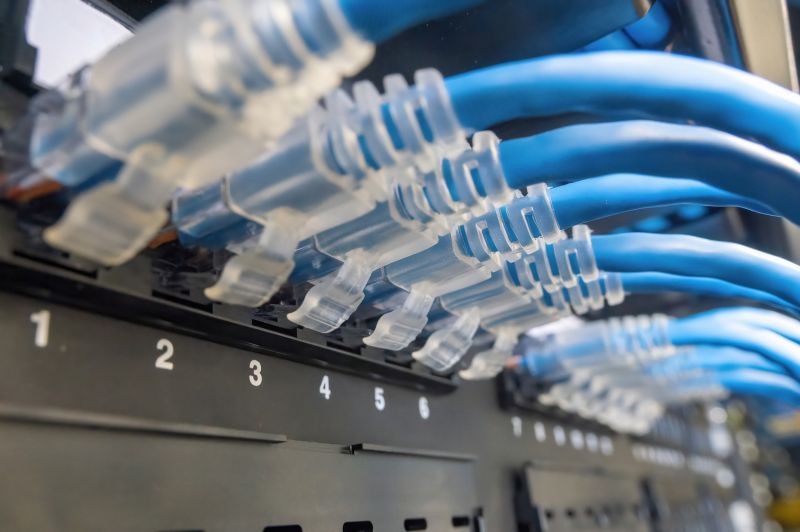
When evaluating service providers for network cabling, it’s important to consider their experience with similar projects. Homeowners should inquire about how long a local contractor has been working in the field and whether they have handled projects of comparable size and complexity. An experienced professional is more likely to understand the nuances of different building types and network requirements, helping to ensure the installation is reliable and efficient from the start.
Clear, written expectations are essential for a smooth working relationship. Homeowners should seek service providers who can provide detailed proposals or scope of work documents that outline what will be done, materials to be used, and any assumptions or limitations. Having these expectations documented helps prevent misunderstandings and provides a reference point throughout the project, making it easier to address questions or concerns as they arise.
Reputable references and good communication are key indicators of a trustworthy local contractor. Homeowners are encouraged to ask for references or examples of previous work to gauge the quality of service and craftsmanship. Additionally, choosing a provider who maintains open lines of communication-responding promptly to questions and providing updates-can make the process more transparent and less stressful. It’s important to remember that this site serves as a resource to introduce homeowners to local options, not to perform the work directly.
Property owners use Network Cabling Service services for practical projects around their homes and businesses. This guide focuses on everyday jobs and straightforward project options.

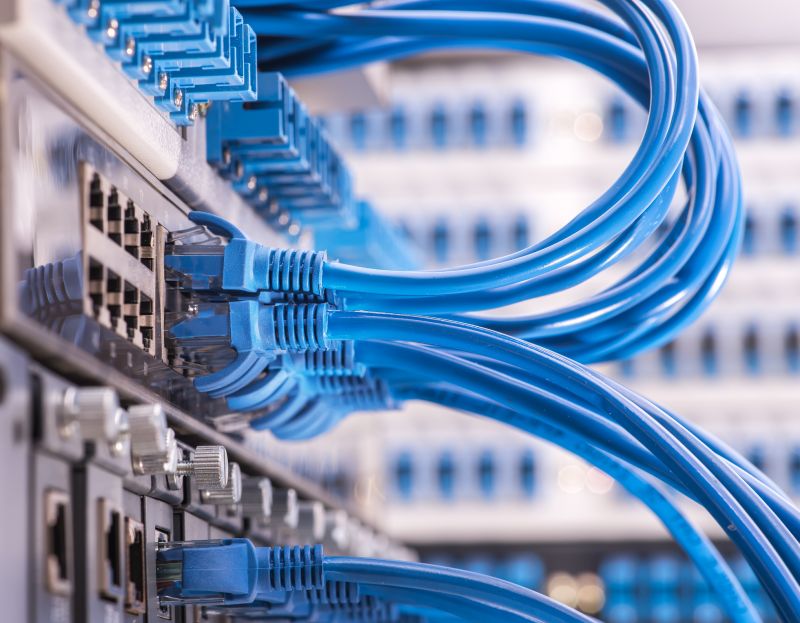
Network cabling services are often needed during home or office renovations, when new devices are added, or when existing wiring becomes outdated or unreliable. Property owners may seek local contractors to install or upgrade Ethernet, data, or phone lines to ensure a stable and efficient connection for everyday activities like working remotely, streaming, or managing smart home devices. These projects typically involve running cables through walls, ceilings, or floors, making it important to work with experienced service providers who understand the building’s layout and can handle the job efficiently.
In addition to new installations, property owners might look for network cabling services to troubleshoot connectivity issues or to expand their current network infrastructure. Whether setting up a home office or upgrading a business’s network, local contractors can help ensure that wiring is properly organized and capable of supporting multiple devices. Reliable network cabling is essential for maintaining smooth internet access, making it a common consideration for property owners aiming to improve their digital connectivity.
What types of network cabling services do local contractors provide? Local service providers typically offer installation, repair, and maintenance of various network cabling systems, including Ethernet, fiber optic, and data center cabling.
How can I determine the best network cabling solution for my space? Service providers can assess your environment and recommend suitable cabling options based on your connectivity needs and infrastructure.
Are network cabling services suitable for both residential and commercial properties? Yes, local contractors often handle cabling projects for homes, offices, and larger commercial facilities, tailoring solutions to each setting.
What should I consider when planning a network cabling upgrade? It's important to evaluate current network requirements, future growth, and infrastructure compatibility, which local service providers can help identify.
Do network cabling services include testing and certification? Many local contractors offer testing to ensure proper performance and reliability of the installed cabling systems.
Home Office Network Setup - Enhance your workspace by installing reliable network cabling to support multiple devices and seamless internet access.
Smart Home Integration - Connect smart devices throughout your property with professional cabling to ensure consistent performance and connectivity.
Business Network Expansion - Upgrade or extend your business’s network infrastructure to accommodate new equipment and improve communication efficiency.
Entertainment System Wiring - Install structured cabling to support high-quality audio and video systems for an improved home entertainment experience.
If you are thinking about Network Cabling Service for a property, this guide is meant to help you understand the work, the typical project types, and how different options might fit your plans.
When you are ready, you can use the quote form on this page to share a few details about your project. From there, local pros can review the basics and respond with options that match what you have in mind.